
Unique Camp Experience Brings Children in Foster Care and Caregivers Together Through Fun and Learning

For many children, summer camp is a chance to make friends, try new activities, and create memories that last a lifetime. But for children in foster care or those who have experienced trauma, traditional camp settings don’t always meet their needs.
Wellpoint Care Network is working to change that with Camp Willow, a unique camp experience designed specifically for families involved in our Treatment Foster Care (TFC) program.
“Most of our kids either can’t go to camp because they don’t have the funding, have challenges remaining in camp, or their needs are just too high to go to camp in the first place,” said Katelyn Smith, Wellpoint Care’s Program Development Training Supervisor for Treatment Foster Care. “So our goal was to make the experience possible and create that camp magic.”
Guided by the principles of Trust-Based Relational Intervention (TBRI), Camp Willow creates a safe, nurturing, and fun environment where children and families can experience connection, healing, and hope. The experience gives children opportunities to build relationships, explore their interests, and simply enjoy being kids, while equipping caregivers with practical tools to strengthen family connections.
The idea began a few years ago when Smith and a colleague volunteered at a TBRI camp in Colorado.
“It was such an incredible experience bringing all these foster and adopted families together and really having this community moment where caregivers got training and pampering and the kids got one-on-one attention,” Smith said. “We came back and we were both glowing about it. And we wondered, ‘How do we bring this to the Milwaukee community?’”

Smith and her team held a small pilot last year, giving them an opportunity to learn what worked and how to improve the experience. In its first official year this September 2026 at OSRUI Retreat Center in Oconomowoc, approximately 50 children and caregivers participated.
“Having everything in a location that’s away from home and away from their normal places they would go, I think that really helped cultivate this special experience,” Smith said.
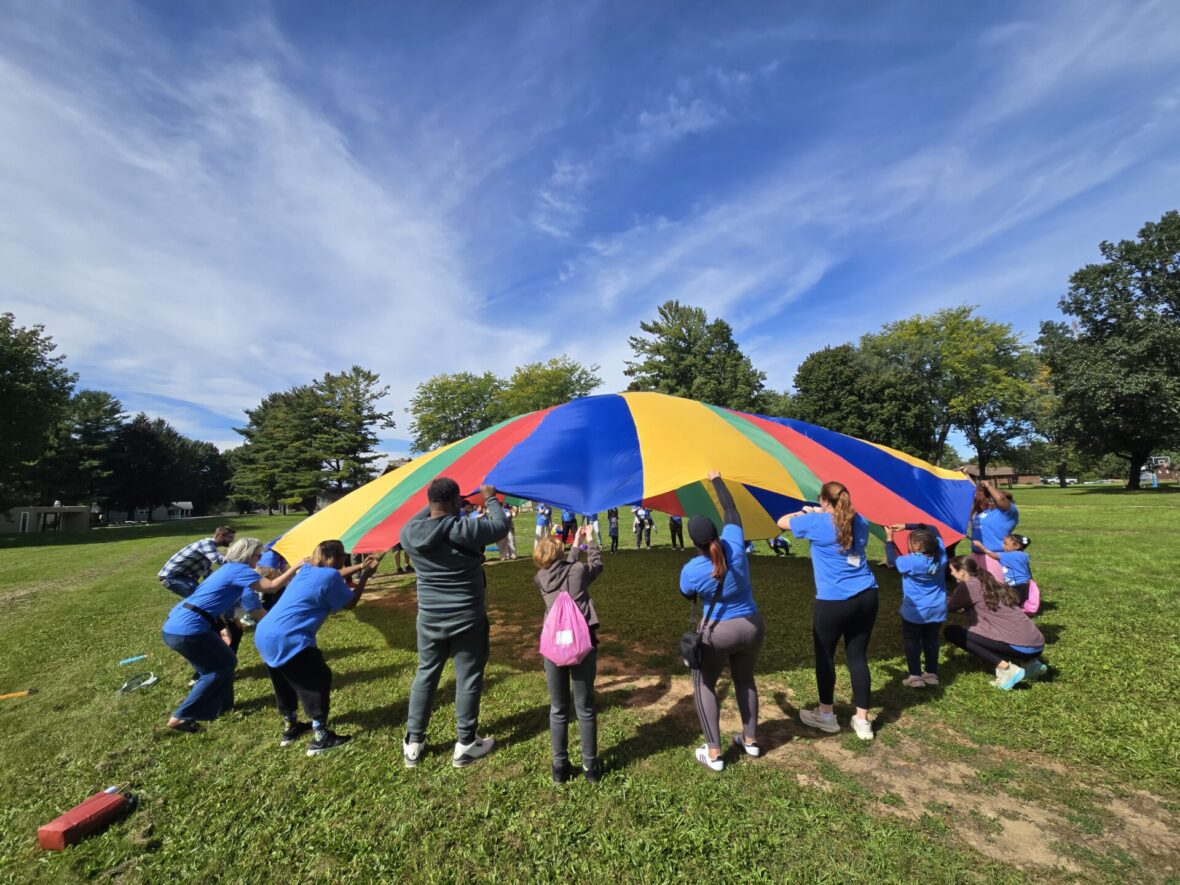
From scavenger hunts and arts and crafts to memory-book activities and making s’mores, the weekend was filled with the kinds of experiences that make camp so special. And with each child paired with their own buddy, everyone had someone cheering them on, helping them try new things, and making sure they felt included.

“What struck me most was how intentionally the weekend cared for the whole family,” said Terry Grogan, Wellpoint Care’s Foster Care Recruitment Specialist and volunteer group leader at Camp Willow. “We weren’t just talking about Trauma Informed Care (TIC) or Trust-Based Relational Intervention, we were creating opportunities for caregivers and kids to experience those principles through connection, play, support, and simply being together.”
While Camp Willow offers children the fun and freedom of a traditional camp, TBRI is a central part of the experience.
TBRI helps caregivers look beyond a child’s behavior to better understand what may be driving it. All behavior makes sense when we use our detective lens and get curious about the underlying need. A behavior might reflect a need for connection, felt safety, regulation, or a developing skill. Recognizing those differences can help caregivers respond in ways that support a child’s emotional and social development.
“Essentially, it takes what we learn in TIC, our Seven Essential Ingredients, and makes the information actionable and easily usable by TFC families,” Smith explained. “We understand the why, but what do we do? How are we actually teaching these skills and approaching that with our kids?”
For Camp Willow, Smith and the team developed a curriculum centered on TBRI’s 3 Pillars of Trauma-Wise Care, along with Jude Cassidy’s four skills of healthy attachment. Rather than relying on a traditional presentation, caregiver learning was designed to be conversational and interactive.
“We had our materials that we printed out for them, but it was totally conversation-based,” Smith said. “It was like, ‘Let me explain to you these four skills that are underlying all the things at camp, and let me give you examples’, but also, ‘What are ways that you’re already doing this at home? What are some new strategies?’”
That hands-on work is especially important for Treatment Foster Care families, who care for children with more intensive needs and may benefit from additional guidance and support.
“We know caregivers are the main change agents,” Smith said. “So seeing them get a lot out of camp was something I was very excited about.”
Camp Willow’s impact reached beyond the families who attended, also leaving a lasting impression on the volunteers who helped bring the experience to life.

“Camp Willow was an amazing weekend!” said Marquette Trinity Fellow Abbey Greer, Wellpoint Care’s Advancement Operations Associate. “Watching the Trauma-Based Relational Intervention work occur in real time was incredibly moving. It is all the little positive moments that can reshape the way brains react after trauma. I am super grateful to have had a weekend full of these moments with the campers and their families.”
As one of only a handful of camps like it nationwide, Camp Willow offers a unique opportunity for Treatment Foster Care families to connect, build relationships, and learn.
For the kids at Camp Willow, the magic was in making new friends, trying new things, and getting to just be kids. And for their caregivers, it was a chance to learn, connect with other families, and know they weren’t doing it all alone.
Click here to learn more about Treatment Foster Care, TBRI, and how you can get involved.


